

By: Abdullahi Inuwa
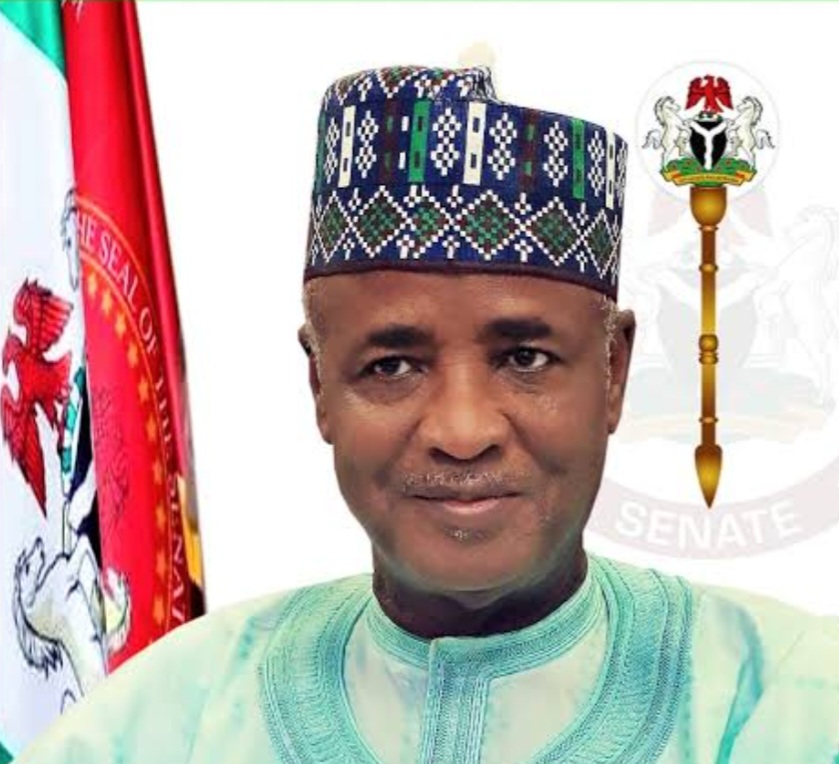
In Sokoto State, where politics has long revolved around influence, loyalty and grassroots mobilisation, one name continues to dominate the conversation—Senator Aliyu Magatakarda Wamakko.
More than a decade after serving as governor and now representing Sokoto North Senatorial District in the National Assembly, Wamakko remains the political compass around which the state’s power equation revolves. His latest political feat—the steady migration of opposition politicians into the ruling All Progressives Congress (APC)—has once again reinforced his reputation as one of Nigeria’s most formidable political mobilisers.
Across the state’s 23 local government areas, the political atmosphere has changed remarkably. What initially appeared to be isolated defections has grown into a sustained movement, with influential opposition figures, former political office holders, party executives, youth organisations, women groups and community leaders crossing over to the APC in increasing numbers.
For political observers, the development is far from coincidental.
It reflects months of strategic consultations, reconciliation meetings and behind-the-scenes engagements reportedly championed by Senator Wamakko, whose ability to build alliances has remained unmatched in Sokoto’s political history.
Unlike many politicians whose relevance diminishes after leaving executive office, Wamakko has maintained an enduring grassroots structure that cuts across ethnic, religious and social divides. His political machinery, painstakingly built over several decades, has continued to influence electoral outcomes and shape political decisions within the state.
Those familiar with Sokoto politics say the former governor understands the dynamics of grassroots mobilisation better than most contemporary politicians. Rather than limiting his engagement to election seasons, he has sustained close relationships with traditional rulers, religious scholars, community associations, youth leaders and party stakeholders.
It is this extensive political network, analysts argue, that has become the driving force behind the APC’s growing strength in Sokoto.
The defections have not only expanded the ruling party’s numerical advantage but have also weakened opposition structures in several local government areas previously regarded as strongholds of rival political parties.
Political analysts believe every high-profile defection carries consequences beyond mere statistics. It shifts local political calculations, strengthens the APC’s campaign structures and deprives opposition parties of experienced organisers and influential grassroots mobilisers.
Supporters of the former governor insist the wave of defections is a vote of confidence in his leadership philosophy.
To them, Wamakko has consistently projected himself as a bridge-builder who prioritises consultation over confrontation. His political engagements, they argue, have focused on fostering unity within the APC while opening the party’s doors to politicians willing to work together for Sokoto’s development.
Many of those joining the APC have publicly praised the senator’s accessibility, political maturity and commitment to sustaining peace within the party.
Beyond personalities, however, political observers note that many defectors also see the APC as offering greater opportunities to participate in governance and attract development projects to their communities.
That perception has further accelerated the momentum currently enjoyed by the ruling party.
Yet, while APC supporters celebrate what they describe as a historic political realignment, opposition parties are increasingly confronted with the difficult task of retaining loyal members and rebuilding confidence within their ranks.
Political commentators believe the coming months could determine whether the opposition can reorganise itself or whether the APC will further consolidate its dominance across Sokoto State.
Nevertheless, analysts caution that political defections alone cannot define democratic success.
They argue that while party realignments remain a legitimate feature of democratic politics, citizens ultimately expect governments to deliver improved security, quality education, functional healthcare, modern infrastructure, employment opportunities and economic prosperity.
For many residents, political strength must translate into visible improvements in everyday life.
As one political analyst observed, “Winning politicians is one thing; winning the confidence of the people through good governance is another.”
Even so, there is little disagreement about Wamakko’s continuing influence.
His ability to retain political relevance years after leaving office speaks to a rare combination of experience, organisational capacity and grassroots acceptance that few contemporary politicians possess.
Within the APC, he is widely regarded as one of the party’s strongest pillars in the North-West, while in Sokoto he remains the rallying point for thousands of loyal supporters spread across urban and rural communities alike.
As consultations continue and more political actors reportedly weigh their options, expectations are mounting that the APC could witness additional defections before the next electoral cycle.
Should the current momentum persist, Sokoto may be heading toward one of the most significant political transformations in its recent history.
Whether viewed as a master strategist, an accomplished consensus builder or the architect of the APC’s expanding dominance in Sokoto, Senator Aliyu Magatakarda Wamakko has once again demonstrated his ability to shape political events from the frontlines.
In a state where political fortunes can change with remarkable speed, one reality appears increasingly clear: the battle for Sokoto’s political future is being fought on terrain where Wamakko remains the most influential player, and the growing wave of defections suggests that his political playbook is far from exhausted.
Abdullahi Inuwa Social Commentator ainuwa303@gmail.com