

By Abdullahi Inuwa
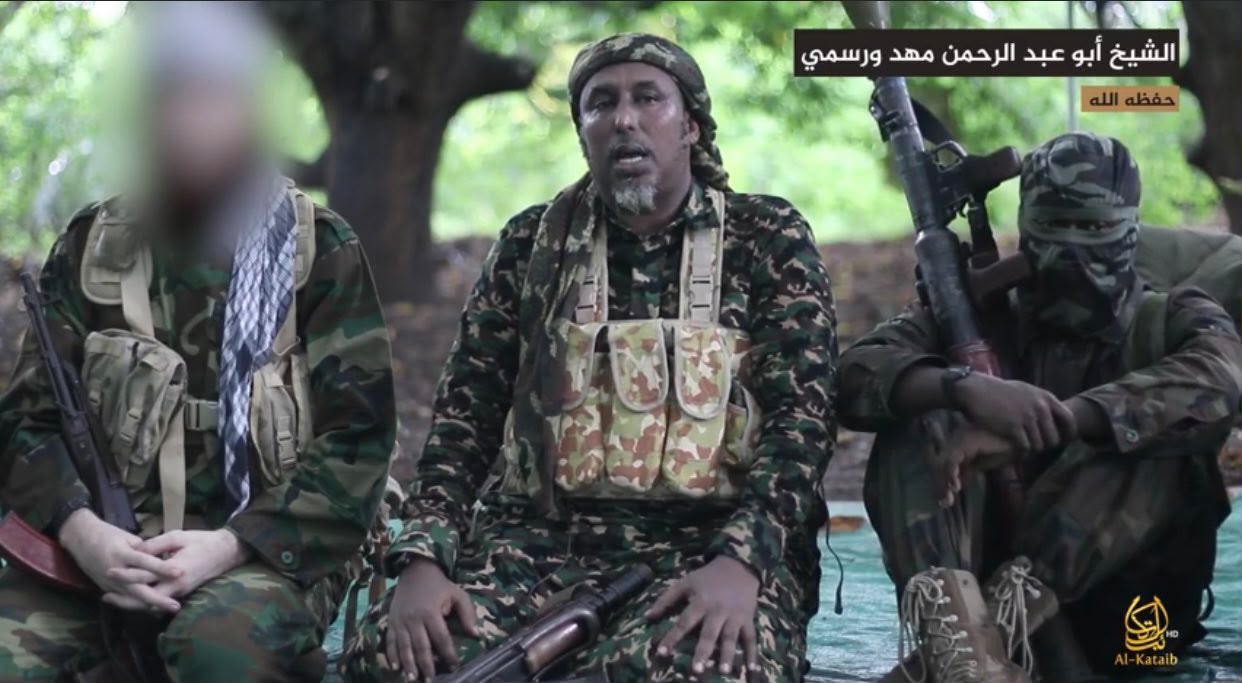
A fresh ideological debate unfolding within Al-Shabaab’s media circles has raised questions over whether Somalia’s most powerful jihadist group could eventually consider negotiations with the Federal Government and explore a new political direction.
The debate gained prominence after two articles attributed to a writer using the alias Eng. Kurtun Hassan, whose writings have frequently appeared in Al-Shabaab-linked media platforms.
The publications reportedly examine the possibility of a political pathway similar in some respects to the Taliban’s eventual engagement with Afghanistan’s political and international environment, including negotiations, governance and relations with foreign actors.
While there is no confirmed evidence that Al-Shabaab has formally adopted such a strategy, the discussion is attracting attention because it goes beyond battlefield operations and confronts a fundamental question: Can Al-Shabaab transform from an armed insurgency into a political and governing movement?
Reports cited in the emerging assessment suggest that some elements within Al-Shabaab’s leadership could be weighing the possibility of opening channels with the Somali government, potentially through foreign intermediaries considered acceptable to both sides.
Neither the Federal Government of Somalia nor Al-Shabaab’s senior leadership has publicly confirmed that formal negotiations are taking place.
Analysts therefore caution against interpreting the reported discussions as evidence of an imminent peace process.
Instead, the debate may reflect an internal assessment of the group’s long-term strategy, particularly as military operations and financial restrictions continue to place pressure on its networks.
For almost two decades, Al-Shabaab has waged an armed campaign against the Somali state while promoting its interpretation of Islamic governance and maintaining ties with the wider jihadist movement.
A decision to pursue political engagement would consequently represent a major strategic departure.
Another notable element of the reported debate is the interest among some Al-Shabaab members and sympathisers in political and military developments in Afghanistan and Syria.
Sources cited in the assessments indicate that discussions have focused on governance, security, administration, military affairs and economic management.
In areas where Al-Shabaab maintains significant influence, including Jilib, Bu’aale and Kunyoo Barrow, the reported discussions have increasingly examined whether the organisation’s existing territorial and administrative structures could form the basis of a broader governing system.
The group already operates taxation mechanisms and administrative structures in areas under its influence. Some within its wider ideological environment reportedly argue that these systems could be expanded if the organisation ever moved towards a formal political authority.
However, such arguments remain internal speculation rather than evidence of an approved Al-Shabaab political programme.
Al-Shabaab remains one of Africa’s most formidable jihadist organisations.
Its exact manpower is difficult to determine, although some assessments have estimated its total membership at roughly 20,000, including about 12,000 armed fighters.
The group has also built substantial revenue streams through taxation, extortion and other illicit economic activities, with some estimates putting its annual income at more than $100 million.
Those figures, however, are difficult to independently verify.
At the same time, the organisation has faced increasing financial pressure as the Somali government, backed by regional and international partners, has intensified efforts to dismantle its financial networks.
That pressure could be contributing to renewed debate over whether an indefinite armed campaign remains sustainable.
The Taliban comparison has generated considerable interest, but experts warn against assuming that Al-Shabaab would necessarily follow the same trajectory.
The Taliban’s return to power in Afghanistan resulted from a unique combination of military pressure, political negotiations, diplomatic engagement and regional dynamics.
Somalia presents a substantially different political, military and regional environment.
More importantly, negotiations by an armed group do not automatically mean abandonment of its ideology.
Militant organisations have historically entered negotiations, ceasefires or political arrangements for a variety of strategic reasons, including reducing military pressure, gaining time, improving bargaining power or securing territorial and political concessions.
The critical question, therefore, is whether Al-Shabaab would be prepared to reconsider the jihadist ideology that has defined its campaign—or simply use political engagement as another instrument in its struggle.
For now, there is no sufficient evidence to conclude that Al-Shabaab has formally abandoned its jihadist ideology or decided to negotiate with Mogadishu.
The writings attributed to Eng. Kurtun Hassan are significant primarily because they may offer a glimpse into an ideological discussion within the group’s broader media environment, rather than because they constitute an official policy declaration.
The coming months could provide clearer indications of whether the debate is gaining traction.
Observers will likely watch for changes in Al-Shabaab’s public messaging, pronouncements from senior commanders, its relationship with foreign jihadist organisations, adjustments to its taxation and governance systems, and any credible evidence of contact with Somali authorities or potential intermediaries.
For now, the evidence points to an emerging debate, not a confirmed political transition.
But if the discussion eventually moves from ideological circles into an officially endorsed strategy, Somalia’s nearly two-decade conflict could enter an entirely different phase—one where the struggle for power increasingly shifts from the battlefield to negotiations over governance, political authority and the future of the Somali state.
Source:@ZagazolaMakama