

By: Abdullahi Inuwa
In May 1989, a defining moment in Nigeria–United Kingdom relations unfolded when Nigeria’s then Head of State, Ibrahim Babangida, paid an official State Visit to the United Kingdom at the invitation of Queen Elizabeth II.
More than three decades later, that historic trip remains the last recorded State Visit to Britain by a Nigerian Head of State, marking a significant chapter in diplomatic history between the two Commonwealth nations.
The visit came at a time when Nigeria, under Babangida’s military administration, was navigating economic reforms and political transition, while the United Kingdom remained one of Nigeria’s most influential international partners.
The state visit symbolized not only diplomatic engagement but also the enduring ties between two countries linked by history, trade, and membership in the Commonwealth of Nations.
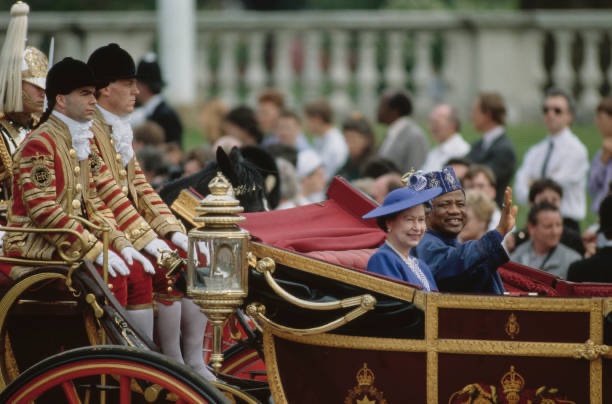
Upon arrival in London, General Babangida was received with the full ceremonial honours traditionally accorded to visiting heads of state. The welcome ceremony, steeped in British royal tradition, featured the famous pageantry associated with state visits to Buckingham Palace.
Queen Elizabeth II hosted the Nigerian leader during the visit, underscoring the importance Britain attached to its relationship with Africa’s most populous nation. The visit included a state banquet, meetings with British government officials, and engagements with members of the Nigerian diaspora and business community in the UK.
During discussions between the two governments, key issues included trade cooperation, economic development, and Nigeria’s evolving political landscape. At the time, Nigeria was implementing the Structural Adjustment Programme (SAP), a controversial economic reform policy aimed at stabilizing the country’s economy and promoting long-term growth.
British officials also expressed interest in Nigeria’s political transition programme, which Babangida had initiated with the stated aim of returning the country to civilian rule. The dialogue between London and Abuja reflected the strategic importance both countries placed on stability, economic partnership, and democratic development.
Beyond official meetings, the visit carried symbolic weight. Nigeria and Britain share deep historical ties dating back to colonial times, and by 1989 both nations were seeking to redefine their relationship within a modern diplomatic and economic framework. The state visit was therefore seen as a reaffirmation of mutual respect and cooperation.
Images from that visit captured moments of diplomacy wrapped in royal elegance—Queen Elizabeth II and General Babangida exchanging greetings, reviewing ceremonial guards, and participating in the formal traditions that define British state protocol.
For Nigeria, the visit represented international recognition and engagement at the highest diplomatic level. For Britain, it reinforced the importance of maintaining close ties with one of Africa’s most influential countries.
Yet history would take its course. In the decades that followed, Nigerian leaders continued to visit the United Kingdom on official and working trips, but none were accorded the full status of a State Visit hosted by the British monarch.
Today, the 1989 visit stands as a unique milestone—a moment when Nigeria’s military leader was received with royal honours at Buckingham Palace, symbolizing the complex but enduring relationship between the two nations.
More than thirty-five years later, the images of Ibrahim Babangida standing beside Queen Elizabeth II remain a reminder of a historic diplomatic encounter that has yet to be repeated in the annals of Nigeria–UK relations.
Abdullahi Inuwa
Social Commentator ainuwa303@gmail.com