

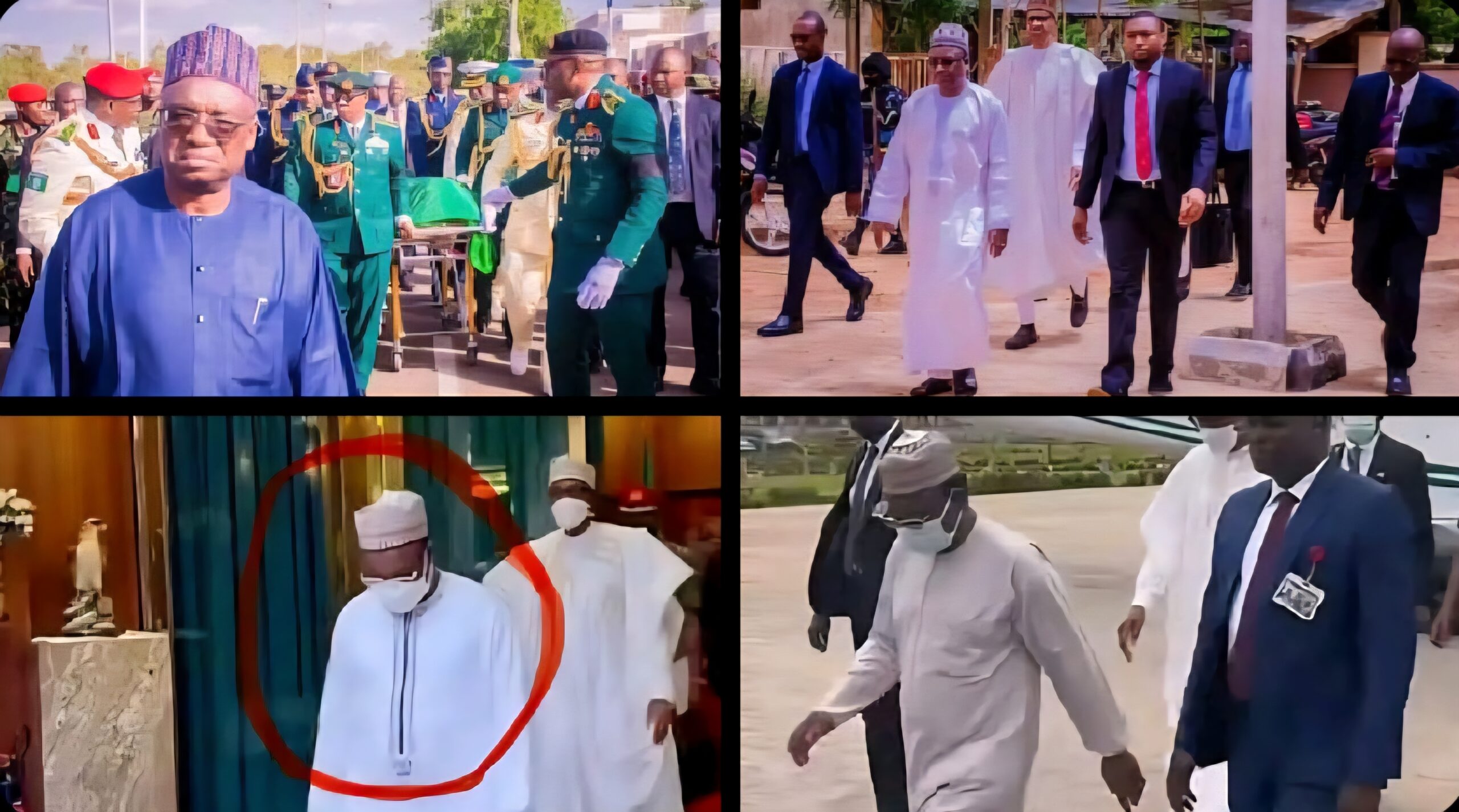
When the funeral rites of former Nigerian President Muhammadu Buhari were broadcast to the nation, many viewers focused on the solemn atmosphere, the dignitaries in attendance, and the weight of history surrounding the passing of one of Nigeria’s most consequential leaders. Yet, amid the sea of officials, mourners, and ceremonial protocol, one figure quietly drew attention—Ambassador Lawal Kazaure.
For those who knew the inner workings of Buhari’s presidency, Kazaure’s presence came as no surprise. He served as the Chief of Protocol to the late president, a role that demanded discipline, precision, and unwavering loyalty. But what made his presence at the final rites remarkable was not just his official capacity; it was the symbolism of a man who had remained by his principal’s side long after the corridors of power had been vacated.
Throughout the broadcast of the funeral proceedings, Kazaure could be seen standing quietly, performing his duties with the same calm professionalism that defined his years of service.
There were no grand gestures, no attempts to command attention—only the silent, dignified posture of a man fulfilling what appeared to be the final chapter of a lifelong commitment to service.
In political circles where alliances often shift as quickly as power changes hands, such loyalty is rare. Yet Kazaure seemed to embody an older tradition of public service—one built not merely on position but on personal devotion to duty and to the leader he served.
Observers noted that long after Buhari’s presidency ended, Kazaure remained closely connected to his former principal. While many aides naturally moved on to new assignments or opportunities, he appeared to maintain that bond of loyalty that had defined his tenure at the Presidential Villa.
That loyalty was visible again during Buhari’s final journey.
From the solemn arrangements to the quiet coordination of movements and ceremonial details, Kazaure appeared exactly where he had always been—near the man he had served for years. To many watching the broadcast, the image carried a deeper meaning.
It reflected not just the end of a political era, but the enduring connection between a leader and the aide who managed the delicate choreography of his public life.
In the world of diplomacy and presidential protocol, the Chief of Protocol often operates behind the scenes.
The role involves coordinating state visits, managing high-level engagements, and ensuring that every detail of official interaction reflects the dignity of the office. During Buhari’s years in power, Kazaure carried out those responsibilities with notable discretion and professionalism.
But on this final occasion, the spotlight briefly turned toward the man usually hidden behind the formalities of state.
For many observers, Ambassador Kazaure’s presence served as a powerful symbol: loyalty that endured beyond political office, beyond changing administrations, and even beyond death itself.
In a nation where public life often moves at a relentless pace, with new alliances constantly replacing old ones, the quiet figure standing beside the late president’s final rites told a different story—one of steadfast commitment.
And so, as the chapter of Muhammadu Buhari closed, one image lingered in the minds of viewers: Ambassador Lawal Kazaure, the last man standing beside his principal, steady to the very end.