

By:Abdullahi Inuwa
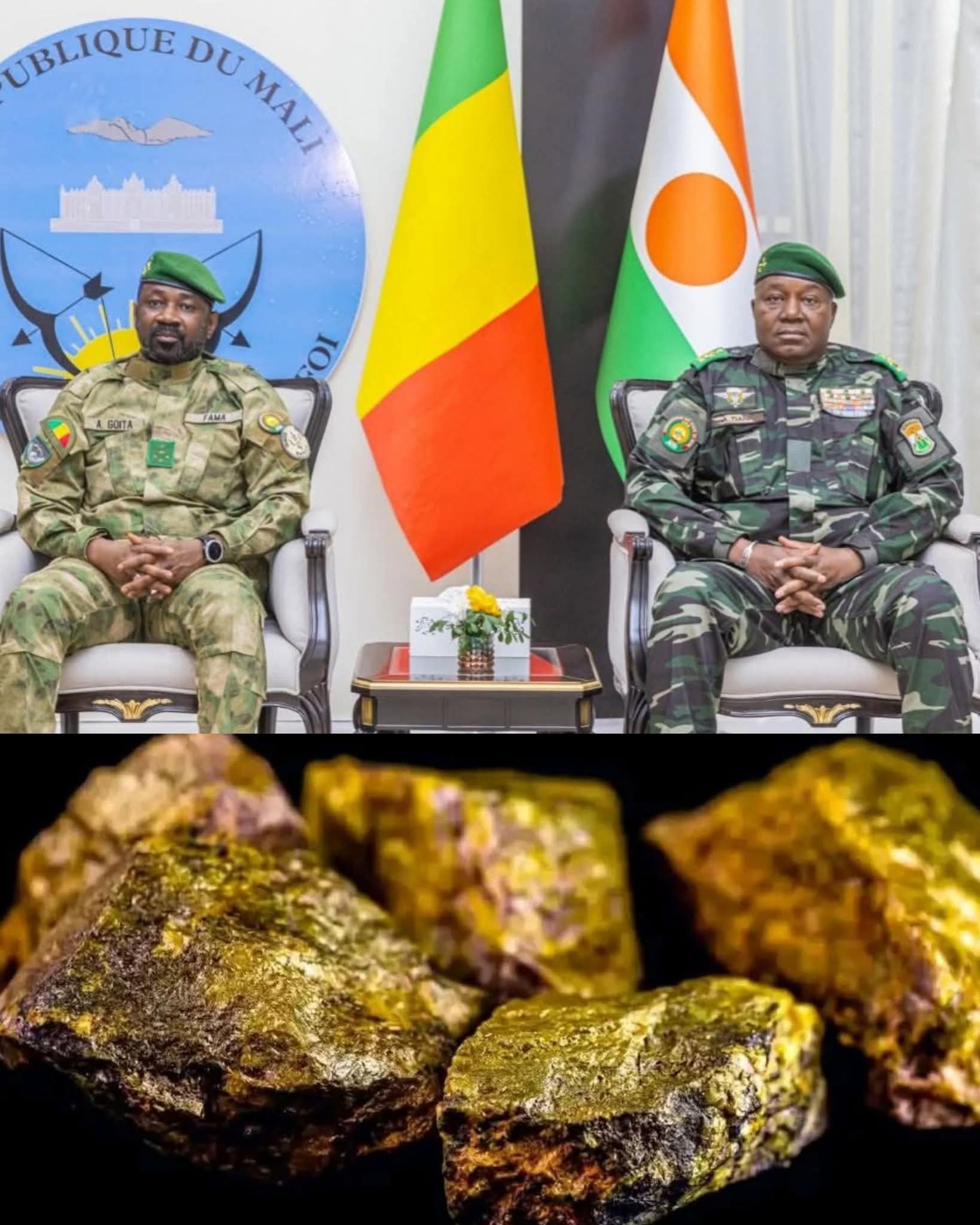
The Alliance of Sahel States (AES) has fired a thunderous warning shot at Paris, with Niger demanding that France return what it describes as all uranium taken from the country since 1968, reopening one of Africa’s most explosive resource debates.
Speaking under the banner of Alliance of Sahel States (AES), Niger accused France of decades-long exploitation, alleging that Nigerien uranium was purchased at a paltry €0.8 (about 520 CFA francs) per unit, only to be resold on the international market for astronomical sums running into hundreds of millions.
According to the AES narrative, the arrangement drained Niger’s economy of an estimated 15,000 billion annually during the years when the country lacked control over its strategic mineral resources — a loss officials say crippled development and entrenched poverty in one of the world’s most uranium-rich nations.
Now, the tone has changed.
Since reclaiming control of its uranium sector, Niger says it is already reaping the rewards of what it calls a revolutionary reset. Authorities claim the state is preparing to construct two nuclear power plants, each with a capacity of 2 gigawatts, funded without loans, without debt, and without foreign dictates.
“This is not theory. This is the product of revolution,” an AES-aligned statement declared, framing Niger’s move as proof that Africa’s natural wealth can finance its future — if fully controlled by Africans.
The message was unmistakable and continental in ambition: Africa must no longer be a supplier of cheap raw materials and a buyer of expensive finished power.
As calls grow louder for historical accountability and resource justice, Niger’s uranium ultimatum is fast becoming a rallying cry — not just against France, but against an entire system many Africans say kept the continent rich in minerals, yet poor in power.
“All Africans must taste it,” the statement concluded — a slogan that now echoes far beyond the Sahel.