

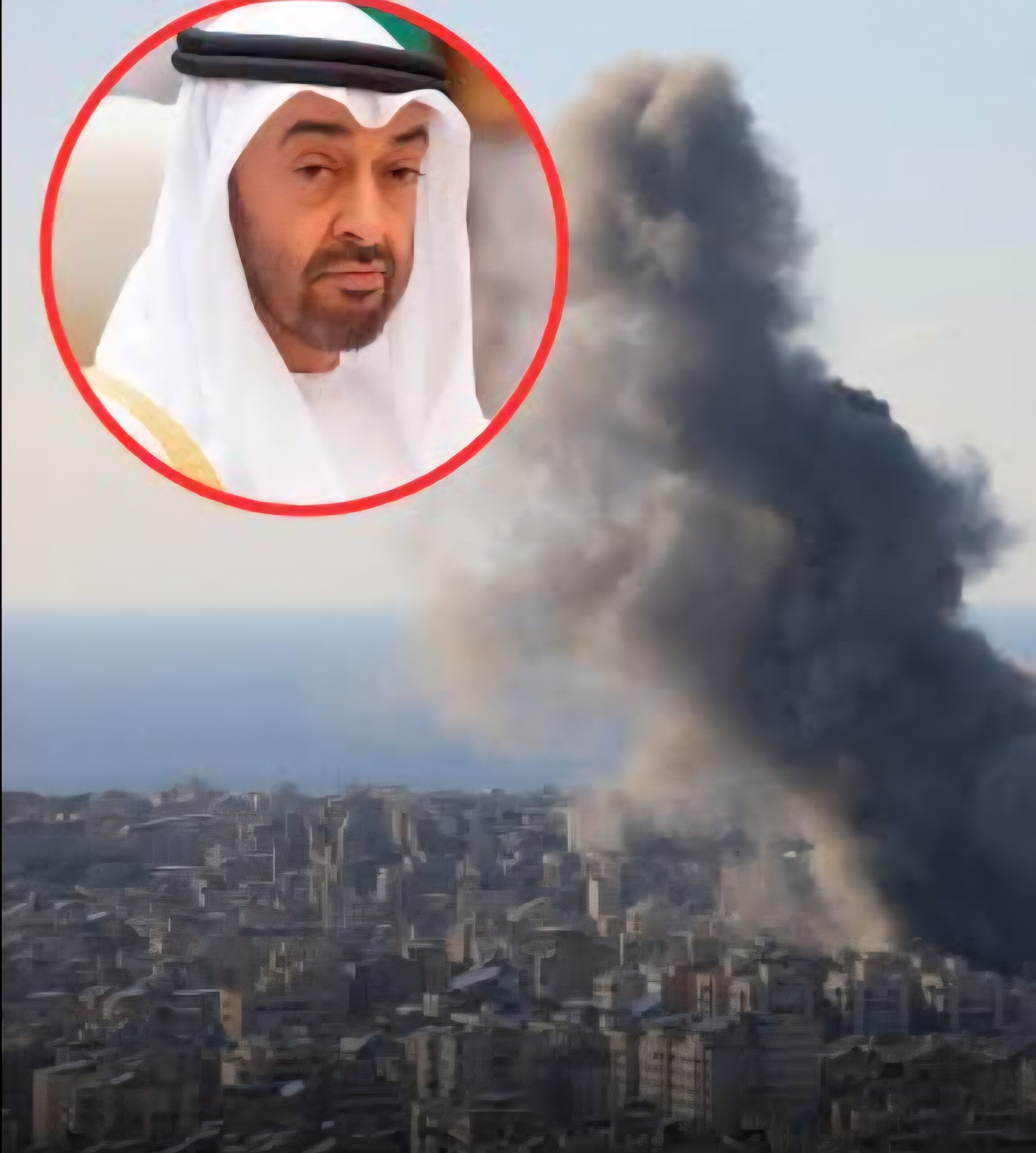
ABUJA — In a dramatic escalation of tensions in the Middle East, the United Arab Emirates has reportedly rejected calls for a ceasefire with Iran, signaling its readiness to join a potential ground offensive, according to reports by Reuters and The Wall Street Journal.
The development marks a bold and risky shift in the UAE’s posture, as the Gulf nation insists that Tehran must first dismantle what it describes as its “full threat network” before any ceasefire can be considered.
Confirming the hardline stance, UAE Ambassador to Washington, Yousef Al Otaiba, said the country is prepared to take part in efforts to secure and reopen the vital Strait of Hormuz—a key global oil artery whose stability is crucial to international energy markets.
The Strait, through which a significant portion of the world’s oil supply passes, has become a flashpoint in the escalating standoff, with any disruption posing severe consequences for global economies.
In a further show of strategic alignment, the UAE also reaffirmed a massive $1.4 trillion investment commitment in the United States, underscoring deepening economic and geopolitical ties between the two nations amid the crisis.
Analysts warn that the UAE’s stance could widen the conflict and draw more regional players into direct confrontation, raising fears of a broader war with unpredictable consequences.
As diplomatic options narrow, the UAE’s move is being seen as a high-stakes gamble—one that could either reshape the regional balance of power or ignite a far more dangerous phase of the conflict.