

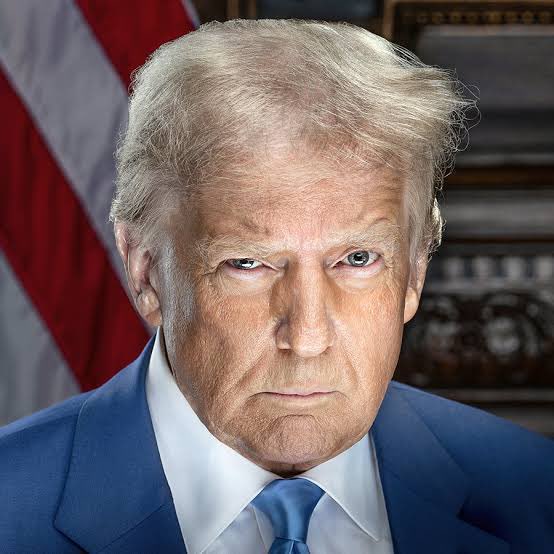
In a sweeping energy and foreign policy move that could reshape global crude flows, President Donald J. Trump announced that Venezuela’s interim authorities have agreed to turn over between 30 million and 50 million barrels of previously sanctioned crude oil to the United States — a transfer U.S. officials estimate at roughly $2 billion in value at current market prices.
In a Truth Social post Tuesday, Trump said the oil will be sold at market price and the proceeds “controlled by me, as President of the United States,” with funds directed toward initiatives designed to benefit both Venezuelan citizens and American consumers. He ordered Energy Secretary Chris Wright to begin execution of the plan immediately, with crude loaded onto storage vessels and shipped directly to U.S. Gulf Coast terminals.
The announcement — potentially representing one of the largest single foreign oil deliveries into the U.S. in recent memory — follows a dramatic U.S. military operation earlier this month that led to the capture of Venezuela’s former President Nicolás Maduro, and the inauguration of Delcy Rodríguez as interim president.
Global oil markets reacted swiftly: U.S. crude futures dipped more than 1% in after-hours trading as traders priced in the prospect of increased supply. Analysts say the transfer equates to a modest boost in available crude but could exert downward pressure on prices if additional Venezuelan oil continues flowing.
The deal also cuts into Venezuela’s traditional export routes — particularly to Asia — prompting expectations that Chinese refiners may pivot to Iranian and Russian heavy crude to fill the void.
For the Trump administration, the announcement serves as both an economic and political milestone: a demonstration of U.S. leverage in Latin America and a bid to soothe domestic energy markets. In remarks accompanying his Truth Social post, the president framed the transfer as a dual win for U.S. consumers and Venezuelan recovery efforts, even as critics and international observers question the legality and long-term impacts of the arrangement.
In Washington, lawmakers from both parties have begun debating the ramifications, with some praising the potential relief at the pump and others warning of escalating tensions with foreign powers and legal challenges over control of another nation’s resources.
As the tankers head westward and the global energy landscape shifts, all eyes are on how this unprecedented oil turnover will play out — domestically and abroad.