

By Rukaiya Musa Hyera, Maiduguri
For many families, the birth of a baby is a moment of joy, celebration, and hope. Friends and relatives gather to congratulate the new mother, while the arrival of a newborn brings smiles and prayers for the child’s future.
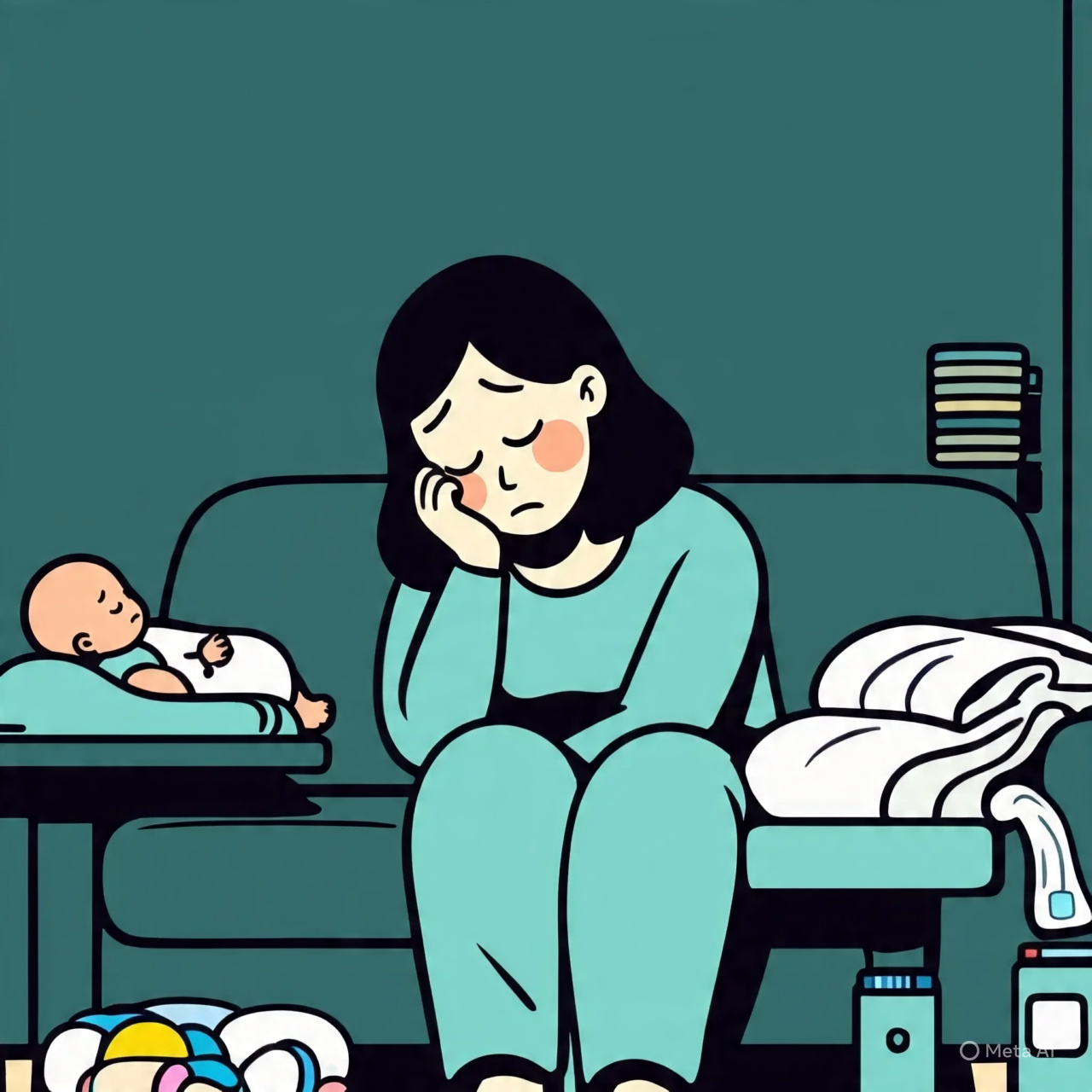
But behind the smiles and celebrations, some mothers quietly battle emotional and psychological challenges that few people notice or talk about. In the weeks after childbirth, feelings of sadness, exhaustion, and isolation can replace the expected joy, leaving women overwhelmed and vulnerable.
Health experts say this condition, known as postpartum depression (PPD), affects thousands of women worldwide, yet it often goes unrecognized in many communities.
Understanding Postpartum Depression
A consultant psychiatrist at the Federal Neuro-Psychiatric Hospital Maiduguri, Dr Amina Isah Halid, explains that postpartum depression is a depressive disorder experienced by some women after giving birth. Symptoms usually appear two to three weeks after delivery, although they can develop earlier or later.
“Globally, about 10 to 20 percent of women experience postpartum depression following childbirth,” Dr Halid said. She noted that cultural beliefs and harmful traditional practices can worsen the risk. “Society sometimes undermines the pain women go through by telling them to endure it. When women are not listened to, cases that may initially be mild or moderate can progress into something more severe,” she added.
She emphasized that early support and timely intervention can significantly reduce complications, and that every mother deserves understanding whether she delivers naturally or through a caesarean section.
The Role of Childbirth Experiences
Difficult labor can leave lasting psychological effects. Dr Aliyu Maina Zubairu, a senior registrar in the Department of Obstetrics and Gynecology at State Specialist Hospital Maiduguri, explained that traumatic deliveries may trigger symptoms similar to post traumatic stress disorder. Women may repeatedly recall the painful experience, which affects sleep, concentration, and their ability to care for the newborn.
“Women who already had psychological challenges before pregnancy may experience worsening symptoms after childbirth,” Dr Zubairu said. He also highlighted the role of hormonal changes, particularly fluctuations in progesterone and estrogen, in affecting emotional stability.
PPD can manifest in many ways: loss of interest in caring for the baby, loss of appetite, social withdrawal, and in severe cases, suicidal thoughts.
He cautioned against certain traditional postpartum practices such as hot water baths or consuming potash pap (kunun kanwa) which may worsen physical health in some women, particularly those with hypertension.
Dr Zubairu stressed that mild cases of postpartum depression may be managed by obstetricians or gynecologists, while more severe cases require psychiatrists. Treatment often follows a bio psycho social approach, addressing biological, psychological, and social factors.
The Importance of Family Support Family support is critical. “Without family support, even with medical care, some patients may relapse,” Dr Zubairu said, urging husbands and caregivers to observe changes in new mothers and seek medical help when necessary.
Meanwhile, Hadiza AbdulHamid, a nurse at the University of Maiduguri Clinic, said first time mothers are particularly vulnerable. Symptoms may include intense sadness, fatigue, severe mood swings, frequent crying, or difficulty bonding with the baby. In extreme cases, mothers may develop thoughts of harming themselves or their children.
“Many mothers are not aware of postpartum depression,” she said. “Some do not attend antenatal clinics, while others may not receive enough information about mental health during visits. In some communities, symptoms are mistaken for spiritual problems, discouraging women from seeking medical care.”
Nurses play a vital role in identifying PPD and offering psychological support. AbdulHamid advised mothers not to try to be “super mums,” but to seek help from relatives, trusted friends, and healthcare providers. She encouraged new mothers to rest, eat healthily, and take short breaks while someone helps care for the baby.
Voices from Mothers
For some women, postpartum depression remains an unfamiliar concept. Rukaiya Aliyu Zanwa, a mother of three, said she had never heard of the condition.
She believes many mothers experience stress due to sleepless nights, breastfeeding, and the responsibilities of caring for a newborn.
“Supportive and understanding partners play a key role in helping mothers cope after childbirth,” she said. She also urged mothers to speak openly about their feelings, as sharing experiences can ease the emotional burden.
A Call for Awareness and Action
Experts stress that postpartum depression is treatable, especially when identified early. They call on families, communities, and healthcare providers to listen to women, encourage them to seek help, and reduce the stigma surrounding mental health.
Because behind every healthy child is a mother whose well-being matters just as much.