

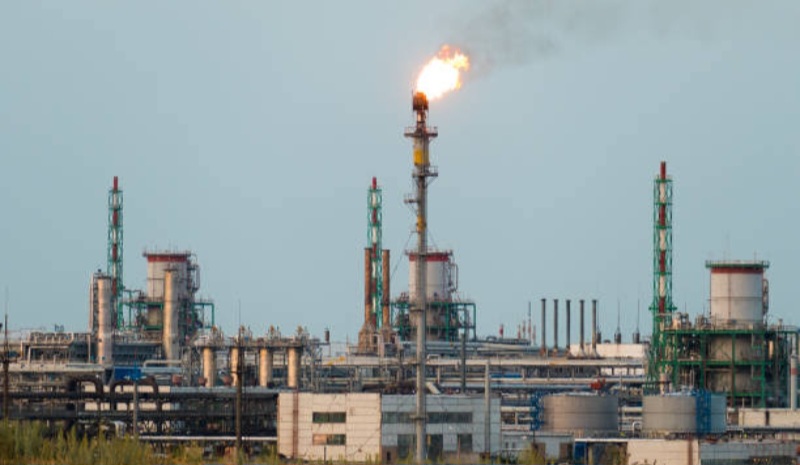
Nigeria’s downstream petroleum market has been thrown into turmoil as oil importers and marketers count staggering losses in a fierce price war ignited by the Dangote Petroleum Refinery’s dramatic slash in petrol prices.
The crisis erupted after the 650,000-barrel-per-day mega refinery dropped its gantry price from ₦828 per litre to ₦699, a move that instantly reset market realities and sent shockwaves across the supply chain. Unable to compete with Dangote’s locally refined fuel, importers were forced into emergency price cuts — at a devastating cost.
Industry estimates show that marketers are now bleeding as much as ₦102.48 billion every month, as margins collapse under the pressure. With Nigeria’s daily petrol consumption put at 50 million litres, and importers supplying about 26.48 million litres, the sudden ₦129 per litre gap has translated into daily losses of roughly ₦3.41 billion.
Across Lagos, private depots have responded by slashing prices by nearly 14 per cent, with some dropping from ₦828 to around ₦710 per litre. The result: sluggish sales, shrinking margins, and growing fears of stock overhang as petrol purchased at higher prices struggles to find buyers.
The worst hit are importers with undischarged cargoes still on Nigerian waterways, now sitting on fuel bought at far higher landing costs. With Dangote’s cheaper supply flooding the market, many of these cargoes face an uncertain fate.
“Anyone holding imported petrol right now is in serious trouble,” an industry source lamented. “You can’t sell at old prices, and selling at the new rate means huge losses.”
Retail marketers are also caught in the crossfire. Filling stations nationwide are being forced to sell petrol bought at around ₦828 per litre far below cost just to stay afloat. Conservative estimates put retailers’ collective losses at over ₦80 billion, a blow many small operators may not survive.
Marketers have described the abrupt ₦129 price cut as a “big shock”, warning that the ripple effects are hitting every link in the distribution chain — from depots to roadside stations holding millions of litres in tanks.
As financial pressure mounts, industry voices are now calling on Dangote Refinery to step in with relief measures, including discounts on future supplies, to cushion the losses and stabilise the market.
Until then, Nigeria’s petrol battlefield remains ruthless — with Dangote’s price power reshaping the industry, and marketers bleeding cash daily just to stay in the game.