

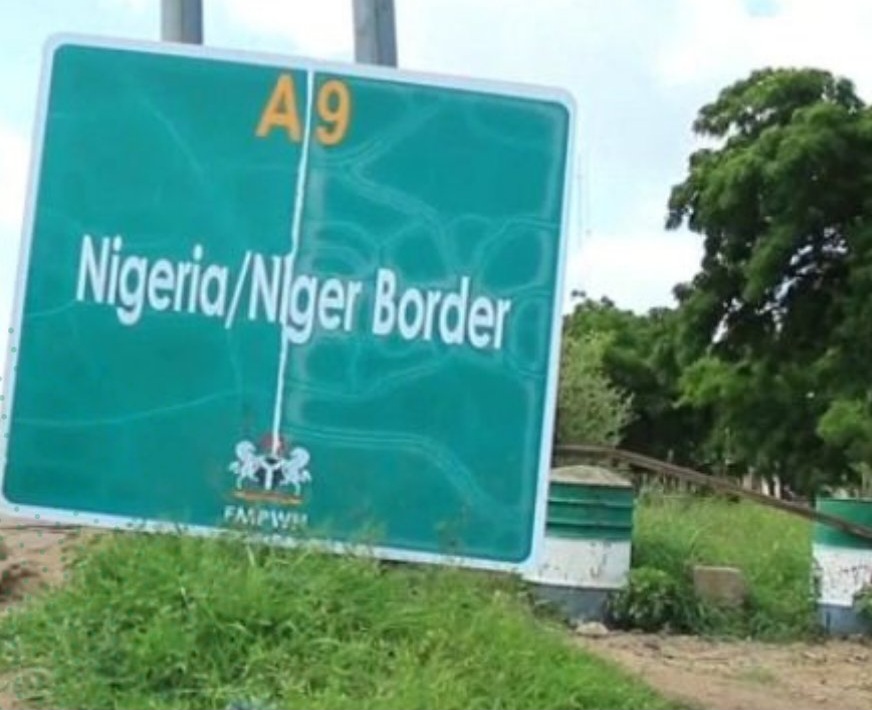
In a move that signals rising tensions in the region, the Niger Republic has introduced systematic inspections on all goods arriving from Nigeria — with a special focus on “miscellaneous” items — at every entry point before transit procedures can begin.
Officials in Niamey say the measure is now standard across border posts and dry ports, marking one of the most sweeping trade-screening policies introduced by the country in recent years.
While Niger’s government has not issued a detailed public explanation, diplomatic sources across the Sahel hint at a coordinated response by AES countries, who have grown increasingly wary of what they describe as Nigeria’s deepening political and security alignment with France.
The move also comes just days after Nigeria’s military transport aircraft violated Burkinabè airspace — an incident that triggered a regional uproar and a “shoot-down on sight” directive from Ouagadougou for future breaches. The absence of a convincing explanation from Abuja appears to have reinforced skepticism among Sahel capitals.
Trade analysts warn that Niger’s new inspection regimen could slow down cross-border commerce, disrupt long-standing trading routes, and raise the cost of business for Nigerian exporters who rely on Niger as a key transit corridor to North and West Africa.
For now, Niamey insists the policy is aimed at “ensuring transparency and regional security.”
But in Abuja, the message reads differently: the Sahel bloc — emboldened and increasingly united — is beginning to flex its muscles.