

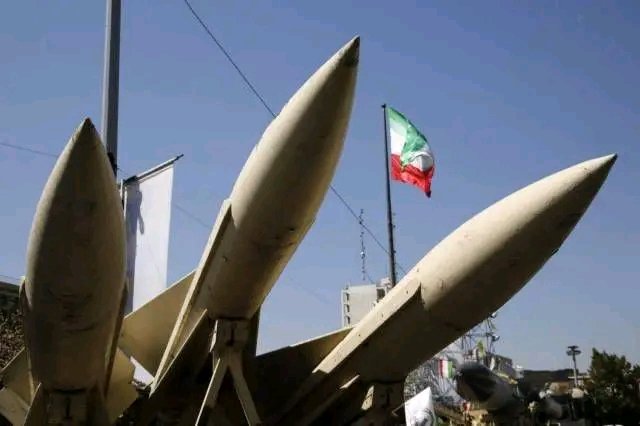
Fresh fears of a widening Middle East war erupted after reports emerged that Iran launched a wave of missiles targeting military and sensitive sites in Israel, marking a dangerous new phase in the escalating conflict.
According to multiple reports, the strikes were aimed at strategic installations, including military and nuclear-linked facilities, with claims that several missiles hit their intended targets—though full details remain unclear amid the fog of war.
In swift response, Israeli authorities ordered the closure of schools, markets, and public spaces across parts of the country, as sirens and emergency alerts heightened public anxiety.
The latest developments underscore a sharp escalation in hostilities, as both nations move beyond rhetoric into sustained military confrontation. Israeli civilians have increasingly been forced into shelters amid repeated missile threats disrupting daily life.
Security analysts warn that the exchange of strikes signals a deepening conflict with the potential to spiral into a broader regional war, drawing in global powers and threatening key economic routes.
The confrontation follows weeks of intensifying attacks, with both sides targeting critical infrastructure and military assets. Recent assessments indicate widespread damage to Iran’s military capabilities, even as Tehran retains the ability to launch retaliatory strikes.
Despite ongoing diplomatic efforts involving international mediators, tensions remain dangerously high, with neither side showing clear signs of backing down.
As missile exchanges continue and civilian life is disrupted, the world watches with growing concern.
What began as threats and warnings has now evolved into open confrontation—raising a chilling question: how far will this escalation go?