

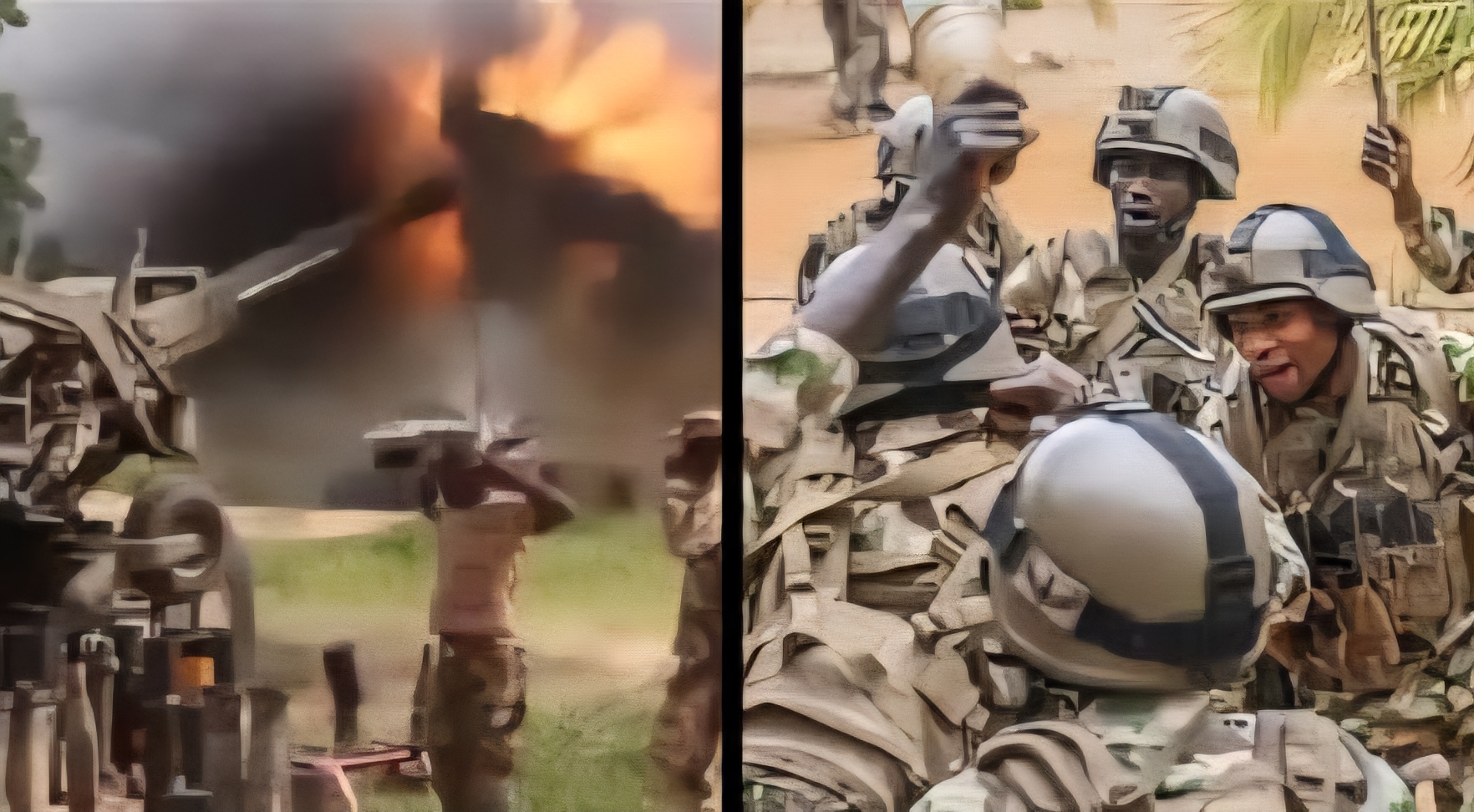
The Islamic State West Africa Province (ISWAP) has reportedly admitted losing 23 of its fighters following a fierce confrontation with Nigerian Special Forces during sustained military operations in Sambisa Forest, Borno State.
The disclosure emerged from an intercepted communication involving suspected ISWAP members, which indicated that the insurgent group suffered significant casualties during a week-long offensive carried out by Nigerian troops in the notorious forest stronghold.
Intelligence sources familiar with the development said the communication revealed that the militants acknowledged the death of 23 fighters after troops intensified operations across key locations within the forest.
According to the sources, the message from an ISWAP associate to an unidentified contact stated that Nigerian forces had maintained relentless pressure on insurgent hideouts, carrying out coordinated raids and ground assaults that disrupted the group’s activities.
The intercepted message further indicated that troops burned down the village of Allafawa during the operation and destroyed several properties believed to belong to the insurgents.
The development, according to security analysts, is part of a broader strategy aimed at dismantling terrorist infrastructure and denying militants access to operational bases within the forest.
Despite the heavy losses, the communication suggested that some ISWAP fighters were still scattered across parts of the Sambisa Forest, attempting to evade advancing troops.
Military sources in the theatre of operations confirmed that Nigerian forces have continued aggressive patrols and intelligence-driven strikes to consolidate their gains and prevent fleeing insurgents from regrouping.
According to the officials, troops are currently exploiting the momentum generated by the recent successes, focusing on tracking down remnants of the terrorist group and dismantling their remaining hideouts.
“The operations are ongoing and troops have sustained pressure on the terrorists to ensure that they do not regroup,” one security source said.
Sambisa Forest, once considered the main operational base of the Boko Haram insurgency, has in recent years remained a contested zone where both Boko Haram and ISWAP elements attempt to maintain camps and supply routes.
However, sustained military offensives have continued to weaken the groups, forcing many fighters to flee deeper into remote forest areas or across borders.
Security experts say intelligence-driven operations, such as those that led to the interception of the recent ISWAP communication, are increasingly playing a key role in counterterrorism efforts in the North-East.
They noted that the ability of security agencies to monitor insurgent communications has helped in anticipating attacks, identifying key commanders and disrupting planned operations.
The latest development is seen as a significant morale boost for troops engaged in counterinsurgency operations in Borno State and other parts of the North-East.
Military authorities have repeatedly stressed that maintaining operational momentum is essential to permanently degrade terrorist networks operating in the region.
Security officials also emphasised that continuous pressure on insurgent strongholds like Sambisa Forest is crucial in preventing the militants from rebuilding their operational capabilities.
For residents of communities around the forest, the sustained military presence has brought cautious optimism, as many hope that the ongoing operations will further weaken the insurgents and pave the way for lasting peace in the region.
Observers say the coming weeks will be critical as troops continue clearance operations aimed at flushing out the remaining insurgent elements hiding within the dense terrain of the Sambisa Forest.