

By:Abdullahi Inuwa
A senior Iranian military spokesman has warned that global crude oil prices could soar to as high as $200 per barrel if the escalating security crisis in the Gulf region continues to threaten vital shipping routes.
The warning was issued by Ebrahim Zolfaqari, speaking on behalf of Khatam al-Anbiya Central Headquarters, Iran’s key military command linked to the powerful Islamic Revolutionary Guard Corps.
Zolfaqari said the ongoing tensions and repeated attacks on commercial vessels in the strategic Strait of Hormuz could trigger a dramatic spike in global oil prices if regional instability persists.
“Get ready for oil to be $200 a barrel, because the oil price depends on regional security which you have destabilised,” he warned in a strongly worded statement.
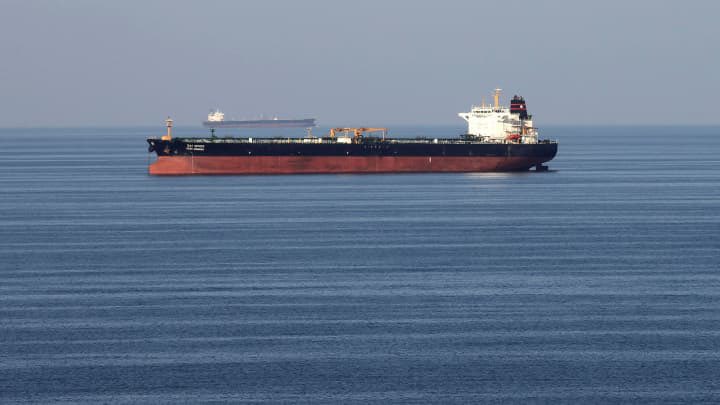
The Strait of Hormuz, located between Iran and Oman, remains one of the most critical maritime chokepoints in the world, with nearly a fifth of global oil supply passing through the narrow waterway each day. Any disruption in tanker movement through the route often sends shockwaves through international energy markets.
In recent weeks, tensions in the Gulf have risen sharply following a series of reported attacks targeting merchant ships and oil tankers navigating the corridor.
The incidents have raised fears among global shipping companies and oil traders about the safety of vessels operating in the region.
Military analysts say the situation could have far-reaching consequences for the global economy if the crisis escalates further.
According to energy experts, even the threat of instability around the Strait of Hormuz can trigger significant volatility in oil prices, as the route serves as the main export channel for major oil-producing countries in the Gulf.
Zolfaqari’s remarks also appeared to place responsibility for the rising tensions on Western powers and their allies, accusing them of contributing to instability in the region.
The statement comes at a time when international naval forces have increased patrols around key maritime routes in the Middle East to protect commercial shipping from potential attacks.
However, Iran’s warning suggests that further militarisation of the Gulf could heighten the risk of confrontation, potentially leading to wider disruptions in global energy supply.
Oil market observers note that while prices have fluctuated amid the current tensions, a full-scale disruption in shipping through the Strait of Hormuz could push crude prices to levels not seen in decades.
Economists warn that such a surge would have severe global consequences, driving up fuel prices, increasing transportation costs, and putting additional pressure on already fragile economies around the world.
As tensions continue to simmer in the
Gulf, the world’s energy markets remain on edge, closely watching developments in the strategic waters that power a significant portion of the global economy.