

How community-led monitoring is tackling staff shortages, drug stock-outs and crumbling PHCs
Primary healthcare facilities across Nigeria are groaning under pressure — and Kaduna State is no exception. From overworked health workers and empty drug shelves to leaking roofs and powerless clinics, the cracks in community healthcare are no longer hidden. These gaps, experts warn, are threatening the delivery of life-saving HIV, Tuberculosis and Malaria (ATM) services relied upon by millions.
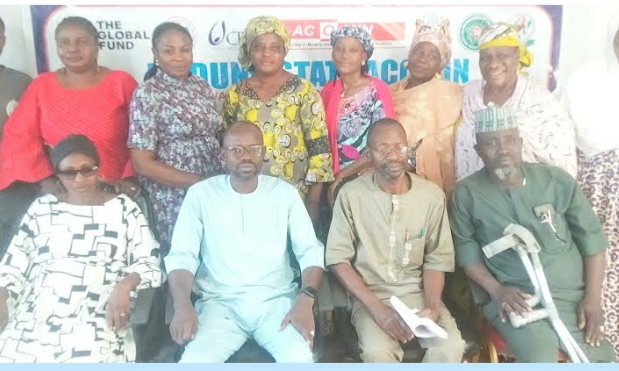
This stark reality took centre stage at a Kaduna State media meeting on the Global Fund ATM Community Led Monitoring (CLM) Project, being implemented by the Association for Community Development Initiatives of Nigeria (ACOMIN).
Speaking through the project brief titled “From Shortages to Solutions,” ACOMIN painted a vivid picture of daily struggles in primary health centres: mothers trekking long distances only to find no nurse on duty, patients turned back because test kits are unavailable, and communities steadily losing confidence in facilities meant to protect their lives.
ACOMIN identified three major challenges undermining community health delivery.
The first is the shortage of health workers. Many primary health centres operate with just one or two staff covering day and night shifts, leading to fatigue, burnout, poor patient interaction and inconsistent services. The absence of security personnel has also left facilities exposed to theft and vandalism.
Next is persistent commodity stock-outs. In recent quarters, several facilities reported shortages of HIV test kits, anti-malarial drugs and rapid diagnostic tools, forcing patients to seek alternatives or abandon treatment — a dangerous setback in disease control.
The third challenge is infrastructural decay. Ageing buildings with cracked walls, leaking roofs, poor ventilation and lack of functional toilets, electricity and storage spaces are compromising infection prevention, discouraging service uptake and stripping healthcare of dignity.
Despite these challenges, ACOMIN reported remarkable achievements in 2025 across five local government areas, made possible through strong collaboration with communities and stakeholders.
In Kaduna North LGA, essential medical equipment was supplied and an ambulance repaired at PHC Zakari Isah, while maternity wards were upgraded at PHC Junction Road. Diagnostic capacity was strengthened with patient monitors, delivery beds and laboratory kits at PHC Romi in Chikun LGA and PHC Kwanan Farakwoi in Igabi LGA.
On infrastructure, health centres were renovated in Dakachi, Zaria LGA; boreholes and water systems constructed at PHC Zakari Isah; solar-powered lighting installed at PHC Tudun Wada, Zaria, ensuring night-time emergency services; and access roads repaired at PHC Bayan Duste, Chikun LGA, easing community access to care.
The total value of these interventions stands at ₦12.85 million, reflecting ACOMIN’s commitment to strengthening healthcare delivery at the grassroots.
ACOMIN emphasized that its work goes beyond infrastructure. With support from the Global Fund through the Principal Recipient, the organisation is implementing Community Led Monitoring under GC7, empowering citizens to identify service gaps, demand solutions and hold duty bearers accountable.
In Kaduna State, the CLM initiative has helped restore trust, improve preparedness of health facilities and ensure communities have a voice in how HIV, TB and Malaria services are delivered.
To move from temporary fixes to lasting solutions, ACOMIN issued a strong call to action.
Government at all levels was urged to prioritise health systems strengthening through targeted investments, recruitment and retention of qualified health workers, uninterrupted supply of ATM commodities, and renovation of dilapidated facilities.
The private sector and philanthropists were encouraged to partner with government and civil society to support staff welfare, supply essential commodities and refurbish health infrastructure.
The media was described as a critical ally in amplifying community voices, exposing on-ground realities, promoting transparency and celebrating success stories driven by CLM.
ACOMIN also called on traditional, religious and community leaders to mobilise citizens, correct harmful misconceptions about healthcare and advocate for increased investments, fostering ownership and accountability at the local level.
In conclusion, ACOMIN stressed that Nigeria’s healthcare challenges demand coordinated action. Only through collective effort by government, partners, media and communities can struggling facilities be transformed into reliable centres of care.
As the organisation reaffirmed its commitment to empowerment and accountability, the message from Kaduna was clear: with community-led monitoring, the journey from shortages to solutions is already underway.