

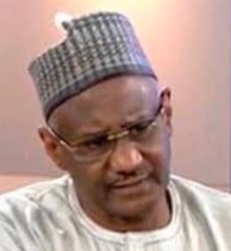
A fresh storm has erupted in Nigeria’s security debate as Professor Usman Yusuf publicly challenged what he described as a looming plan by the Minister of Defence, Christopher Musa, to launch a full-scale military offensive against Fulani bandits.
In a strongly worded intervention, Yusuf argued that the Defence Minister must “remember he is now a political office holder, not a battlefield soldier,” insisting that leadership at this level demands consultation, restraint and sensitivity to public concerns rather than the trigger-happy reflex of war.
“We strongly reject any plan to wage war against Fulani bandits,” Yusuf declared, warning that a heavy military approach would only deepen bloodshed and fail to resolve the crisis. According to him, what Nigerians need is not “endless warfare,” but dialogue, negotiation and non-violent solutions.
Drawing from what he described as personal experience, Yusuf claimed to have ventured into forest enclaves where bandit leaders operate, engaging them directly and witnessing the human cost of sustained military operations. He alleged that raids by security forces and vigilante groups, particularly Yan Banga, have left trails of devastation in affected communities.
In one of his most controversial remarks, Yusuf suggested that many of the armed groups commonly labeled as bandits see themselves as “freedom fighters,” a claim that is certain to spark intense public backlash and renewed scrutiny.
His comments, shared widely across social media platforms, have reignited a national conversation over Nigeria’s security strategy: should the state double down on military force, or pivot towards dialogue and reconciliation in tackling armed violence?
As pressure mounts, Yusuf warned that any insistence on a purely military confrontation would “ultimately fail,” urging the federal government to rethink its approach before the conflict spirals further out of control.
The remarks add yet another layer to Nigeria’s already polarised security discourse, setting the stage for a heated debate between advocates of force and proponents of dialogue.