

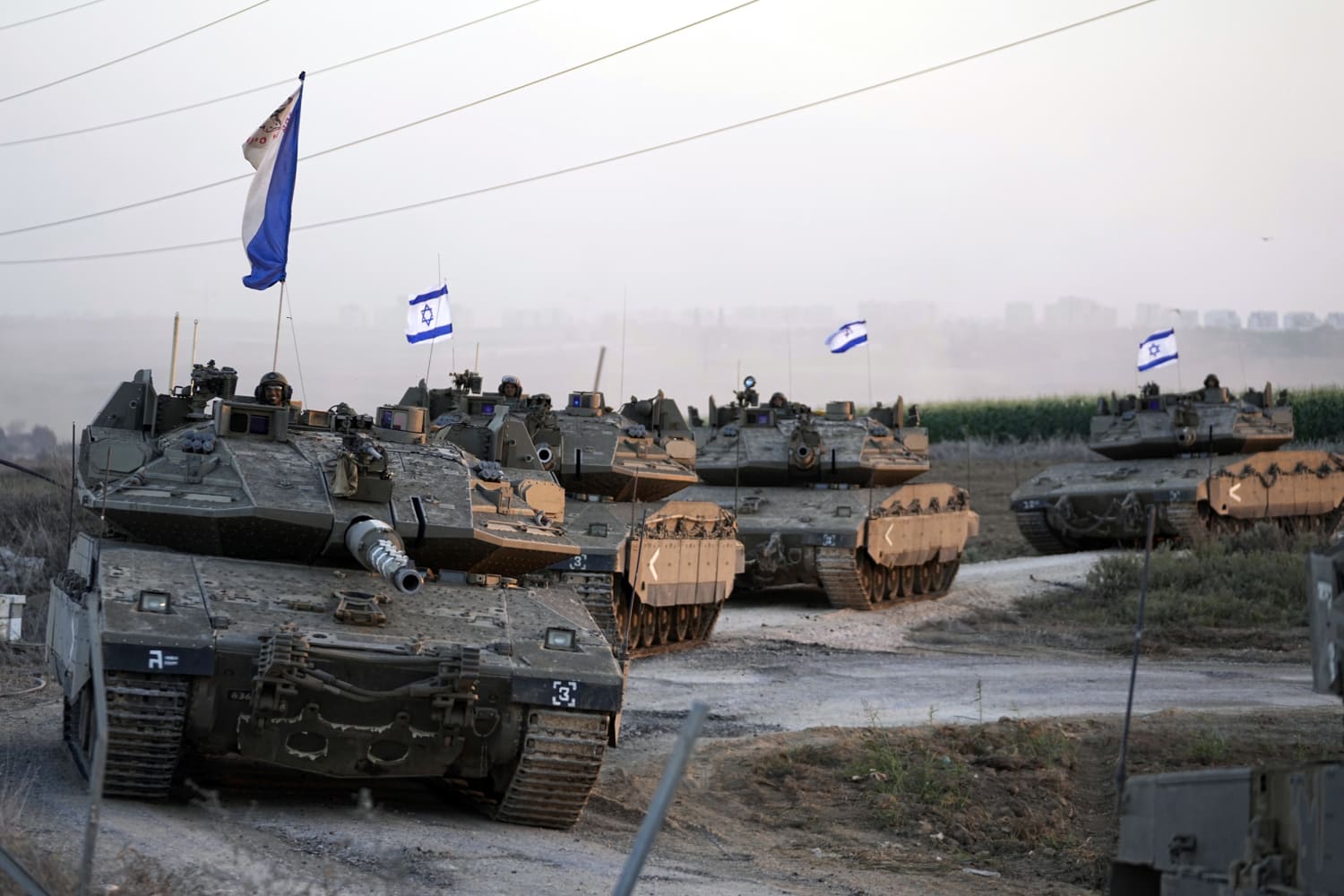
A chilling warning from Israel’s top military commander has raised alarm over the sustainability of the country’s armed forces, with Chief of Staff Eyal Zamir cautioning that Israeli troops are “on course to collapse into themselves” under mounting pressure.
According to a report by Ynet, Zamir delivered the stark assessment during a high-level cabinet meeting, pointing to severe operational strain as forces remain stretched across multiple fronts, including Gaza, Lebanon, Syria, and the occupied West Bank.
The military chief warned that the expanding scope of operations is rapidly outpacing available manpower, placing unprecedented stress on both active-duty soldiers and reservists. “The reservists will not hold,” he reportedly cautioned, raising what he described as “10 red flags” over the army’s long-term sustainability.
Zamir’s concerns come amid growing internal and external pressures, including a surge in settler-related violence in the West Bank, which has forced the redeployment of additional battalions—further thinning already strained ranks.
Compounding the crisis, the government has yet to pass key legislation aimed at addressing recruitment shortages.
Proposed measures on ultra-Orthodox conscription, reserve service reforms, and extending mandatory service have stalled, leaving critical gaps in military staffing.
Analysts say the combination of expanding military commitments and unresolved manpower challenges could push the armed forces toward a critical tipping point, potentially undermining operational readiness.
The warning also coincides with continued expansion of outposts in the West Bank, a move that critics argue is placing additional burdens on the military at a time when resources are already stretched thin.
As tensions remain high across multiple theaters, Zamir’s remarks underscore a growing concern within Israel’s security establishment: that the current pace of engagement may soon outstrip the military’s capacity to respond effectively.
With the situation described as nearing a breaking point, attention is now turning to whether urgent policy decisions can avert what could become a full-blown institutional crisis within Israel’s defense forces.