

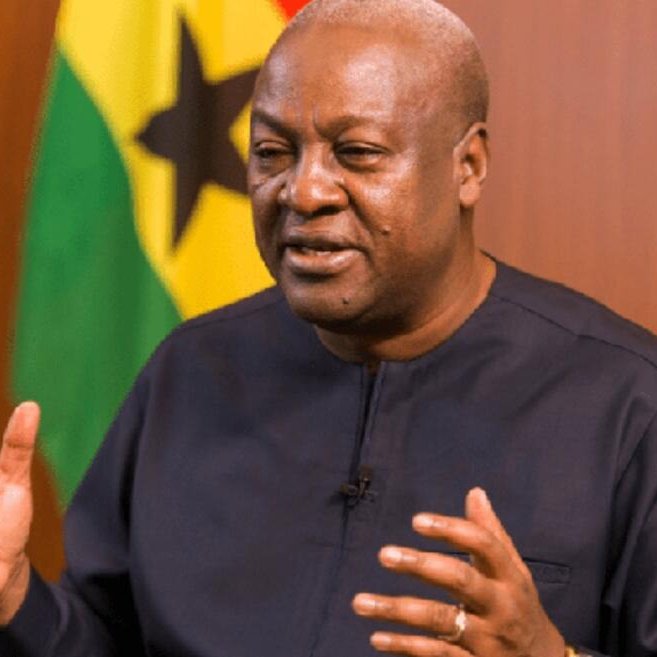
Ghana’s political landscape was thrown into fresh debate on Monday after President John Dramani Mahama stated that he will sign the controversial Proper Human Sexual Rights and Family Values Bill if Parliament re-passes it and sends it to his desk.
The bill—one of the most debated in Ghana’s recent history—seeks to impose tougher penalties on same-sex relations and criminalise any form of support, funding, or advocacy linked to LGBTQ activities. Its earlier version, passed by Parliament in February, was suspended following legal challenges and concerns from international partners.
Mahama’s declaration signals a willingness to back the legislature’s position, setting the stage for renewed political and social battles over the highly divisive proposal.
Human rights groups have condemned the bill, saying it would drastically shrink civic space, fuel discrimination, and undermine constitutional freedoms. Several international organisations have warned that enforcing the law could trigger diplomatic and financial consequences.
Economic analysts caution that Ghana, which relies heavily on international loans and development support, risks jeopardising key funding agreements if it adopts the legislation in its current form.
As Parliament prepares to revisit the bill, the country faces mounting questions about rights, morality, sovereignty, and the economic implications of legislating social values—issues that promise to dominate Ghana’s national conversation in the coming weeks.