

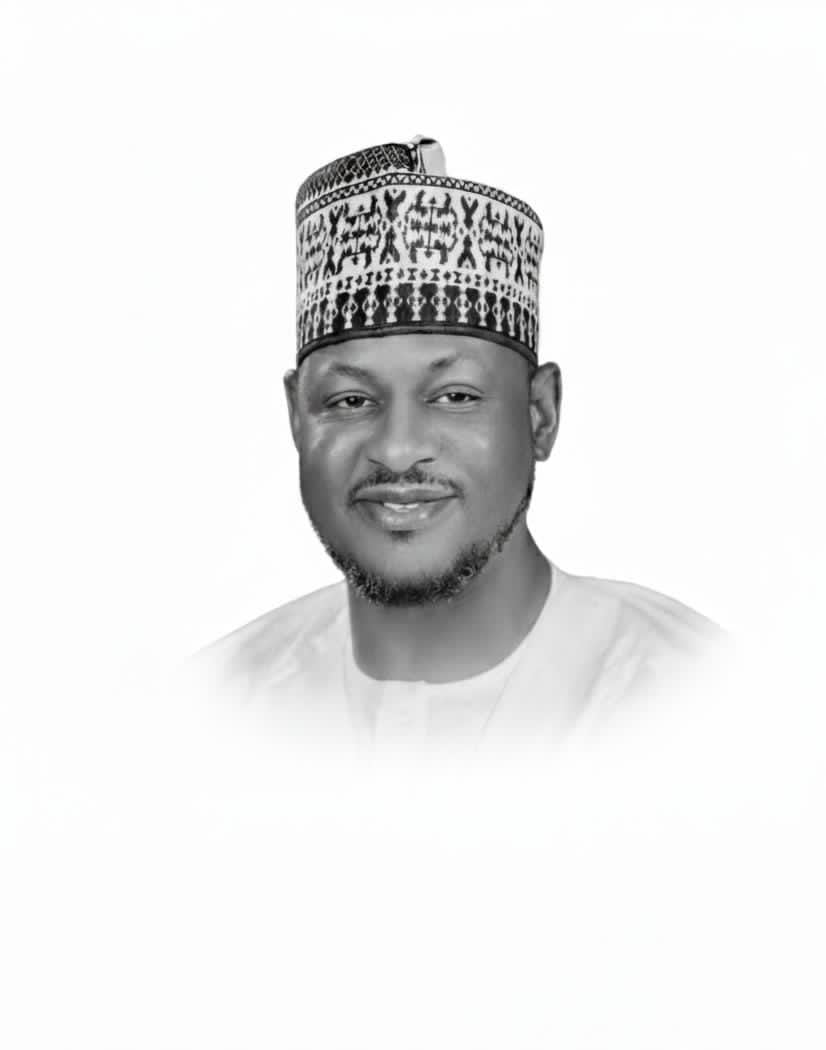
Katsina State recorded a major diplomatic and economic breakthrough as Governor Malam Dikko Umaru Radda made a historic appearance at Ambition Africa 2025 in Paris—becoming the first Nigerian State Governor to feature at the high-profile international investment forum held under the patronage of French President Emmanuel Macron.
The two-day gathering, hosted at the French Ministry of Economy and Finance in Bercy, brought together global investors, policy experts, development agencies, and business leaders from across Europe and Africa. Top French officials, including Minister Delegate for Foreign Trade Nicolas Forissier, Business France COO Didier Boulogne, and AFD Africa Director Sandra Kassab, joined delegations from Egypt, Kenya, Côte d’Ivoire, Cameroon, Sierra Leone, and several other countries—signalling Paris’ growing influence in Africa’s economic dialogue.
Governor Radda used the platform to spotlight Katsina’s evolving role in Africa’s clean energy transition. He reaffirmed the State’s commitment to renewable energy development, long-term energy security, and environmental sustainability—key pillars of his administration’s economic transformation agenda.
He emphasized that Katsina has taken bold steps to stabilise its energy landscape, improve electricity access for industries and rural communities, and strengthen its collaboration with leading French Original Equipment Manufacturers (OEMs).
“France remains a trusted partner in Katsina’s energy transition,” the Governor noted, assuring investors that the State is secure, investment-ready, and aligned with President Bola Ahmed Tinubu’s national drive for stronger security and economic resilience.
At a major panel session titled “Meeting Africa’s Energy Challenge: What Sustainable Solutions?”, Governor Radda joined global energy leaders from the Global Wind Energy Council, Eiffage Energie Systèmes, Venture Konect, and the Libya Reconstruction & Development Fund. He presented emerging opportunities in Northern Nigeria’s energy market and outlined innovative models needed to deliver reliable and affordable power to millions.
The Governor revealed that Katsina’s energy roadmap is anchored on a comprehensive statewide assessment covering MDAs, health facilities, schools, water infrastructure, and all Local Government Areas. This informed the State’s Integrated Resource Plan (IRP), which prioritizes hybrid power systems, decentralized energy solutions, expanded mini-grids, and deeper private-sector participation.
According to him, Katsina is not merely scaling power capacity—it is building a “future-ready energy ecosystem” designed to drive industrialisation and long-term economic prosperity.
Governor Radda showcased several breakthroughs, including:
Hybridization of the 10MW Lambar Rimi Wind Farm with an additional 10MW of solar.
Deployment of solar-plus-battery systems to key institutions.
Expansion of rural mini-grid projects.
A 1MW small-hydro project at Danja Dam delivered by French developers with support from the French Treasury.
He also announced advanced plans for a large-scale solar project within the proposed Green Economic Zone—an industrial and clean-energy corridor that will house export-driven manufacturing, agro-processing hubs, and technology-focused enterprises.
With its strong renewable energy profile, abundant solar resources, and investor-friendly climate, the Governor said Katsina is ready to attract climate-conscious investors seeking sustainable production environments.
He urged French partners to explore emerging opportunities in wind rehabilitation, solar deployment, battery storage, mini-hydro systems, and clean-energy solutions tailored to agriculture, including cold-chain infrastructure.
On concerns about stability, the Governor was emphatic:
“Katsina is open, secure, and committed to responsible investment. Our renewable energy drive is already creating jobs, powering businesses, and boosting youth opportunities.”
He concluded by positioning Katsina as Northern Nigeria’s rising renewable energy hub—blessed with world-class solar irradiation, viable wind corridors, and accessible hydro sites that can power the State’s economic future.