
By:Abdullahi Inuwa
Power, Loyalty and the Quiet War Inside Kano Government
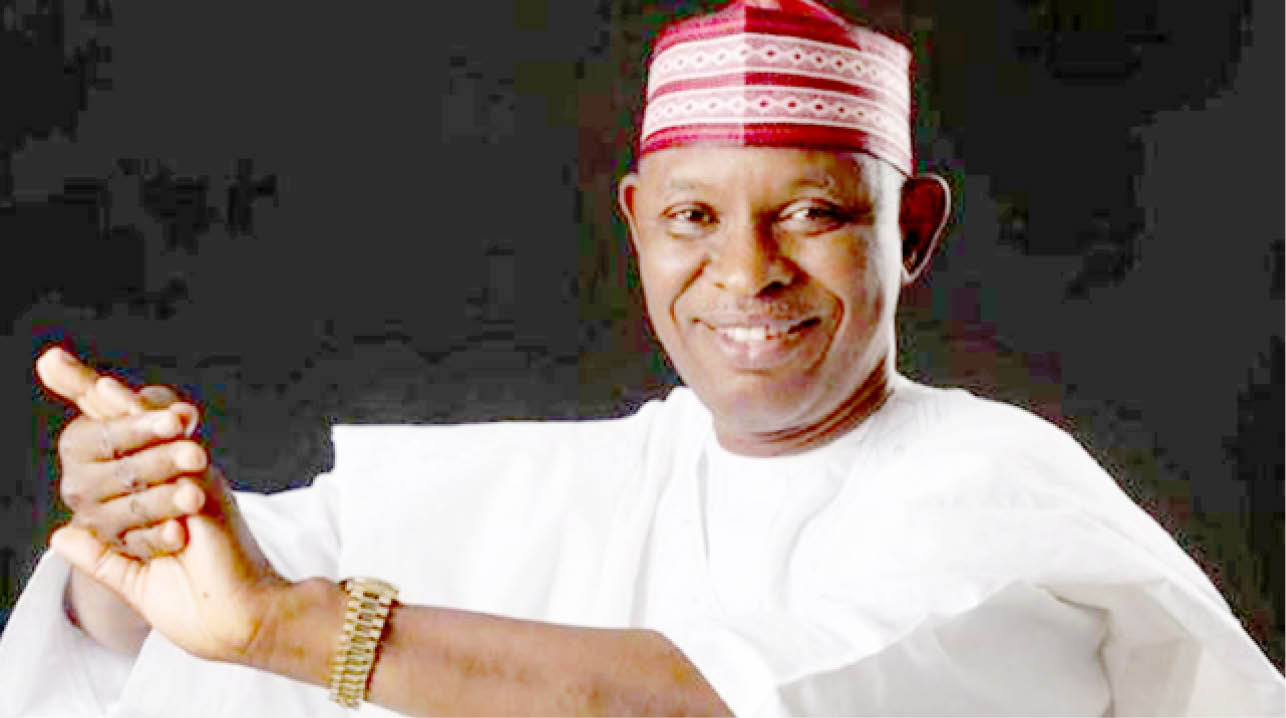
In Kano’s charged political theatre, few questions sting like this one: Did Governor Abba Kabir Yusuf betray Rabiu Musa Kwankwaso—or is he finally trying to be his own man?
From the outset, Abba Kabir Yusuf has been portrayed as the model loyalist—humble, obedient, and unwavering in his allegiance to Rabiu Musa Kwankwaso. Insiders insist the governor swallowed an arrangement many would resist: commissioners and advisers nominated by Kwankwaso, local government chairmen and ward councillors filled across all 44 LGAs—with no slot reserved for the governor himself. Abba, they say, did not complain.
That silence, however, birthed whispers. Allegations surfaced that some commissioners ignored the governor’s directives, shielded by the authority of the man who appointed them. The label followed swiftly—“puppet governor.” To critics, Abba governed in name; Kwankwaso governed in fact.
Then came the fracture.
The former Secretary to the State Government, Baffa Bichi, publicly urged Abba to stand on his feet and act like a governor. Months later, Bichi was removed. A federal lawmaker, Aliyu Madaki, alleged that the sacking was not Abba’s choice—that it was forced by Kwankwaso. Loyalists cried betrayal; pragmatists called it politics.
By August 2024, another storm hit. Social commentator Dan Bello alleged that a pharmaceutical contract linked to a company associated with Kwankwaso’s family had been awarded, with local governments reportedly directed to make monthly payments. When journalists questioned the governor, he said he was not aware of such a contract—fuel for those who argue Abba was boxed out of key decisions in his own administration.
So, did Abba betray Kwankwaso?
Or is this the predictable tension when a godfather loosens his grip and a governor seeks autonomy?
Supporters say Abba’s restraint proves character—loyalty without noise, governance without grandstanding. Detractors argue that silence enabled overreach, and that Kano paid the price for a power structure split between influence and authority.
What is clear is this: Kano’s politics is no longer just about loyalty—it’s about control. As 2027 looms, the answer to that opening question may matter less than the outcome it shapes. In Kano, the quiet war inside government may decide who truly leads—and who merely follows.